
Understanding Current Fashion Trends
As we delve into the fashion scene of 2026, it's essential to grasp the prevailing trends that are shaping consumer tastes and industry standards. The past few years have witnessed a remarkable evolution in fashion, driven by societal shifts, technological advancements, and environmental considerations. Staying ahead in this dynamic landscape requires not only understanding these trends but also adapting to them effectively. For those exploring options, https://www.sukan8a.com/ offers comprehensive insights into contemporary fashion dynamics.
Key Styles Dominating 2026
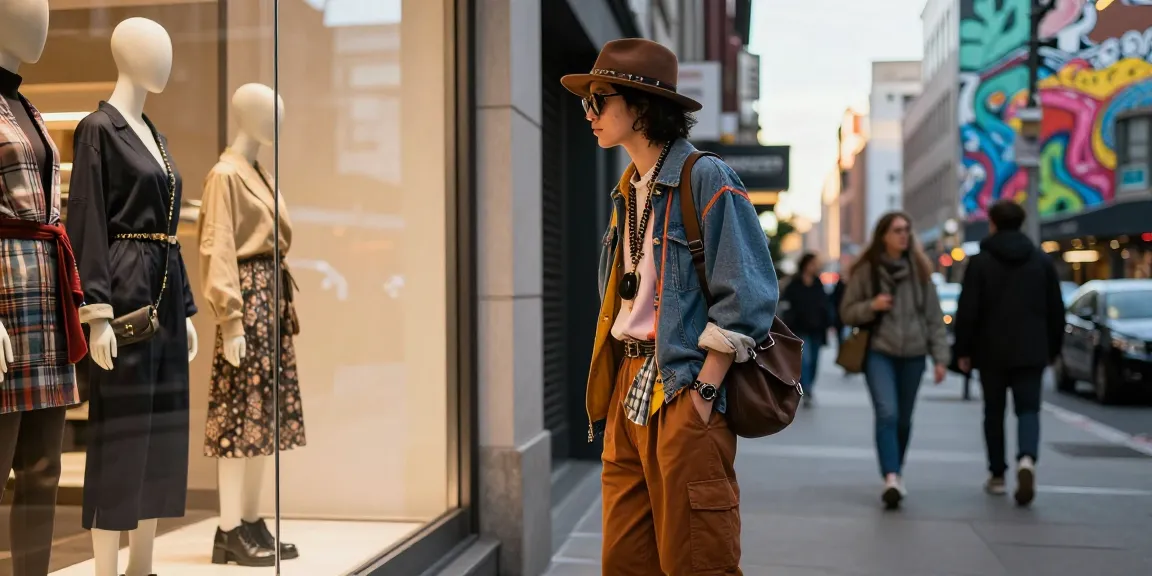
In 2026, the fashion industry is experiencing a powerful resurgence of bold and eclectic styles. Layering continues to reign supreme, allowing individuals to express their personalities through vibrant combinations of textures and colors. Oversized silhouettes paired with fitted garments create a visual contrast that appeals to many consumers seeking both comfort and style. Key pieces include:
- Utility jackets with multiple pockets and functional designs.
- Wide-legged trousers that offer ease of movement and a relaxed aesthetic.
- Brightly printed oversized shirts, reflecting a desire for self-expression.
Additionally, the revival of fashion nostalgia is evident with the return of vintage-inspired pieces, particularly from the 80s and 90s. This generation yearns for authenticity, which is mirrored in the re-emergence of logos and brand-centric apparel.
Color Palettes and Seasonal Influences
Color plays a pivotal role in defining fashion trends, and 2026 is no exception. Earthy tones and pastels dominate the spring and summer collections, complemented by vibrant hues for fall and winter. Shades like terracotta, sage green, and soft yellows evoke a connection to nature and sustainability, aligning with the growing consumer demand for eco-conscious fashion.
Moreover, digital tools in fashion design allow creators to test and forecast color trends with greater accuracy. The influence of social media platforms like Instagram and TikTok cannot be overstated, as they dictate not just seasonal choices but also everyday color preferences.
How Social Media Shapes Fashion
Social media has fundamentally transformed the fashion landscape, making it an integral part of marketing and brand engagement. Fashion influencers and content creators wield significant power, with their personal styles often dictating mainstream trends. Users frequently seek validation and inspiration through platforms that showcase diverse styles, which in turn drives brands to adapt their offerings.
The importance of user-generated content has surged, with brands encouraging customers to share their looks and experiences on social media. This dual engagement fosters a sense of community and belonging, enhancing brand loyalty and driving sales.
Consumer Behavior in Fashion Shopping
The shift towards online shopping has irrevocably changed consumer behavior. Shoppers today are more informed, tech-savvy, and discerning in their choices. In 2026, the impact of e-commerce is profound, leading to the need for physical stores to rethink their strategies to compete effectively with online platforms.
Impact of Online Shopping on Retail
Online shopping has created an entirely new retail ecosystem where consumers can access a plethora of brands and products at their fingertips. With the rise of virtual try-ons and augmented reality features, customers can now visualize how clothing will look on them without stepping foot in a store. This convenience has contributed to the skyrocketing popularity of direct-to-consumer brands.
However, traditional retailers are not at a standstill. Many are enhancing their online presence while retaining an experiential shopping element in-store. Examples include:
- Offering unique in-store experiences to draw customers, such as styling sessions or exclusive events.
- Utilizing data analytics to tailor recommendations and improve the shopping journey.
- Integrating seamless online-to-offline shopping options, facilitating returns and exchanges.
Fast Fashion Versus Sustainable Practices
The fast fashion model has faced increased scrutiny due to environmental and ethical concerns. In 2026, consumers are demanding transparency and sustainable practices more than ever. Brands are compelled to evaluate their supply chains, focusing on ethical labor practices and environmentally friendly materials.
As a response, several brands have shifted towards sustainable fashion, emphasizing:
- Recycled materials in their products.
- Transparent sourcing practices to build consumer trust.
- Durability and timeless designs over ephemeral trends.
Trends in Consumer Ethics and Preferences
Modern consumers, especially Millennials and Gen Z, are prioritizing brands that align with their values. This includes a preference for companies that champion social justice, inclusivity, and environmental stewardship. Brands that embrace these principles can resonate more deeply with their target audiences, fostering loyalty and encouraging advocacy.
Furthermore, the rise of second-hand shopping and clothing rental services reflects a growing desire among consumers to reduce waste and promote circular fashion.
Fashion Marketing Strategies for 2026
The marketing landscape for fashion brands is evolving, with innovative strategies becoming essential for success. As consumer expectations shift, so too must the approaches to engage them effectively.
Leveraging Influencer Partnerships
Influencer marketing continues to thrive, with brands collaborating with authentic voices in their niche to reach wider and more engaged audiences. In 2026, brands are focusing on long-term partnerships that promote a more genuine representation of their products rather than one-off sponsorships.
Micro-influencers, particularly, have gained traction due to their perceived authenticity and engagement rates. Collaborating with these influencers allows brands to tap into niche markets and foster deeper connections with consumers.
The Role of User-Generated Content
User-generated content (UGC) is becoming vital in shaping brand perception. Encouraging customers to share their experiences not only builds community but also acts as social proof. Fashion brands are increasingly incorporating UGC in their marketing campaigns, utilizing images and videos created by their customers as a testament to the product's desirability.
Notable brands run competitions or campaigns designed to elicit UGC, enhancing engagement and visibility on social platforms.
Innovative Digital Campaigns That Work
Creative and interactive campaigns are crucial in standing out in a crowded marketplace. Utilizing advanced technologies such as AR and VR can provide unique experiences that captivate consumers. For instance, virtual fashion shows and interactive online launches are gaining popularity as brands look to merge technology with fashion.
Brands that harness data analytics to personalize their marketing efforts can tailor communications to individual preferences, driving higher conversion rates.
Measuring Success in Fashion Business
With the myriad of strategies deployed in the fashion industry, understanding success metrics is essential. Fashion businesses must track performance accurately to inform future strategies and improve profitability.
Tracking Key Performance Metrics
Key performance indicators (KPIs) such as conversion rates, customer acquisition costs, and return on investment (ROI) from marketing campaigns are fundamental in assessing business success. In 2026, integrating advanced analytics tools can help fashion brands capture and interpret this data effectively.
Furthermore, monitoring customer lifetime value (CLV) allows brands to understand the long-term impact of their engagement strategies.
Understanding Customer Retention Rates
In an industry where competition is fierce, retaining customers is paramount. Brands must strive to create memorable shopping experiences that encourage repeat purchases. Implementing loyalty programs, personalized marketing, and exceptional customer service are effective tactics for improving retention rates.
Analyzing Market Trends and Forecasting
Analyzing market trends enables fashion brands to remain agile and responsive to changes. Leveraging market research, trend forecasting, and consumer feedback assists businesses in adjusting their offerings to better align with market demands. Staying informed about global fashion trends and cultural shifts can position brands advantageously in the market.
The Future of Sustainable Fashion
As we look towards the future, the importance of sustainability in fashion cannot be overstated. The industry is on the verge of a significant transformation, driven by consumer demand and technological advancements.
Emerging Technologies in Fabric Production
The future of fashion fabric production is increasingly reliant on innovative technologies. Examples include bio-fabrication, where materials like spider silk or lab-grown leather are developed as alternatives to traditional textiles. These technologies can reduce the environmental impact associated with conventional fabric production significantly.
In addition, the use of 3D printing is gaining momentum, allowing for on-demand production that minimizes waste and overproduction.
Consumer Demand for Ethical Brands
As consumers become more conscious of their purchasing decisions, the demand for ethical brands continues to rise. A brand’s ethos has become just as important as its products; thus, companies are focusing on transparent practices regarding labor conditions and sourcing materials.
Fashion labels that authentically represent their commitment to ethics are likely to attract a devoted customer base willing to pay a premium for their products.
Case Studies of Successful Sustainable Brands
Brands like Patagonia and Eileen Fisher exemplify success in sustainable fashion. Their commitment to eco-friendly practices, such as using recycled materials and supporting fair labor practices, resonates with consumers seeking ethical options. Case studies of these brands demonstrate that a commitment to sustainability can align profit with purpose.
What Are the Upcoming Trends?
Looking ahead, several key trends are poised to shape the fashion landscape:
- Increased emphasis on circular fashion models.
- The integration of AI in design and retail to enhance personalization.
- The usage of blockchain technologies for transparent supply chains.
How Can Brands Prepare for Change?
Brands must remain agile, continuously adapting to shifts in consumer preferences and market conditions. Regular market assessments, consumer research, and trend tracking will be vital in preparing brands for the future.
Additionally, upskilling teams to embrace new technologies and sustainable practices can position brands at the forefront of the industry.
How to Align with Eco-Conscious Consumers?
Engaging with eco-conscious consumers involves demonstrating a genuine commitment to sustainability. This can be achieved through transparent communications, showcasing sustainability initiatives, and actively involving consumers in eco-friendly practices.
Brands that successfully align with the values of eco-conscious consumers can build lasting relationships and foster brand loyalty in an increasingly competitive market.